Extend the journey

Explore Bình Phước

Beyond the quiet experiences at Thiên Ưng Phủ, the frontier land of Bình Phước holds many heroic historical sites and magnificent natural landscapes waiting to be explored.

Scenery & Culture

Majestic Nature

Đắk Mai Waterfall

Đắk Mai Waterfall

Đắk Mai Waterfall is a small cascade hidden in Bù Gia Mập District, Bình Phước Province. Although it is not widely publicised in the media, it continues to captivate trekking enthusiasts who come in search of discovery. Around Đắk Mai are lush stretches of primary forest. Here you can admire clear water falling through an unspoilt natural setting. It is an ideal place for a family or a close group of friends to enjoy a picnic and immerse themselves fully in nature.

Bù Gia Mập, Bình PhướcOpen in Google Maps
Sóc Bom Bo

Sóc Bom Bo

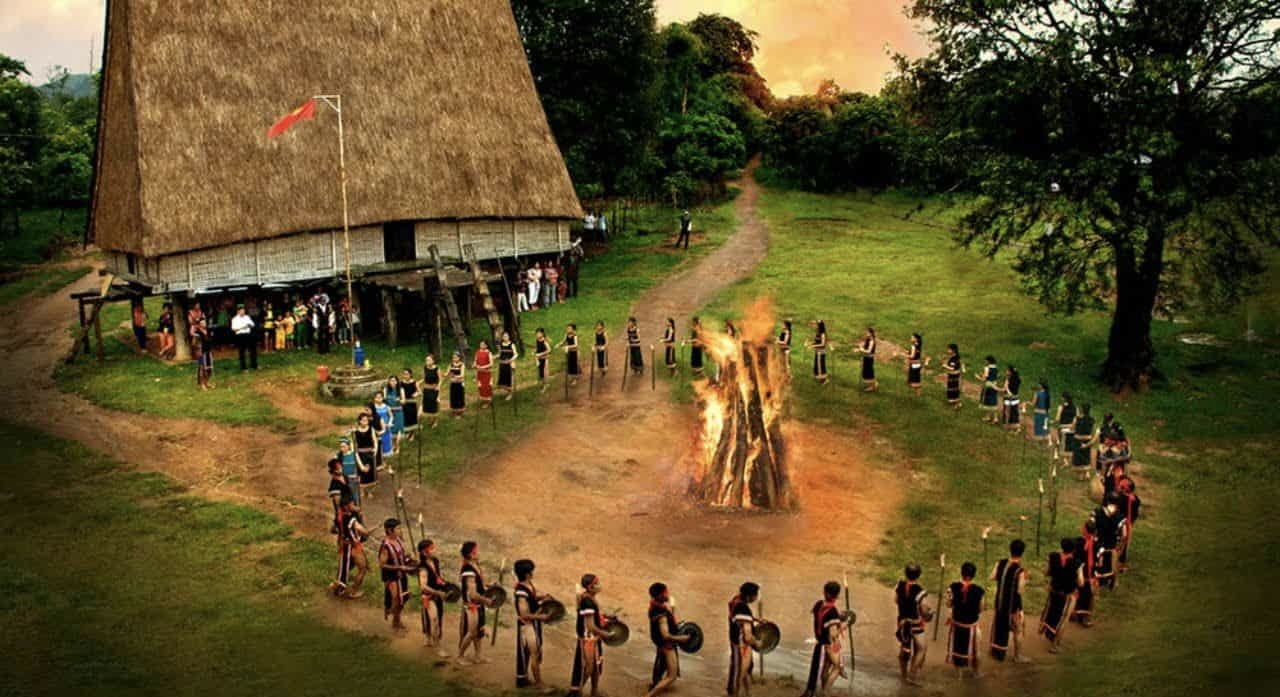
Sóc Bom Bo (Bình Minh Commune, Bù Đăng District) is deeply embedded in Vietnamese memory through the famous song “Tiếng chày trên sóc Bom Bo” by the late composer Xuân Hồng. From Đồng Xoài City, travellers follow National Highway 14 toward Bù Đăng for about 50 km to reach this legendary land. The rhythmic sound of the S’tiêng people pounding rice at Sóc Bom Bo has entered poetry and history. Visitors can witness S’tiêng ways of life, recall heroic years through the resonance of gongs and the sound of rice pounding through the night beside the fire, visit traditional longhouses and sample distinctive local cuisine.

Bù Đăng, Bình PhướcOpen in Google Maps
Sóc Lớn Pagoda

Sóc Lớn Pagoda

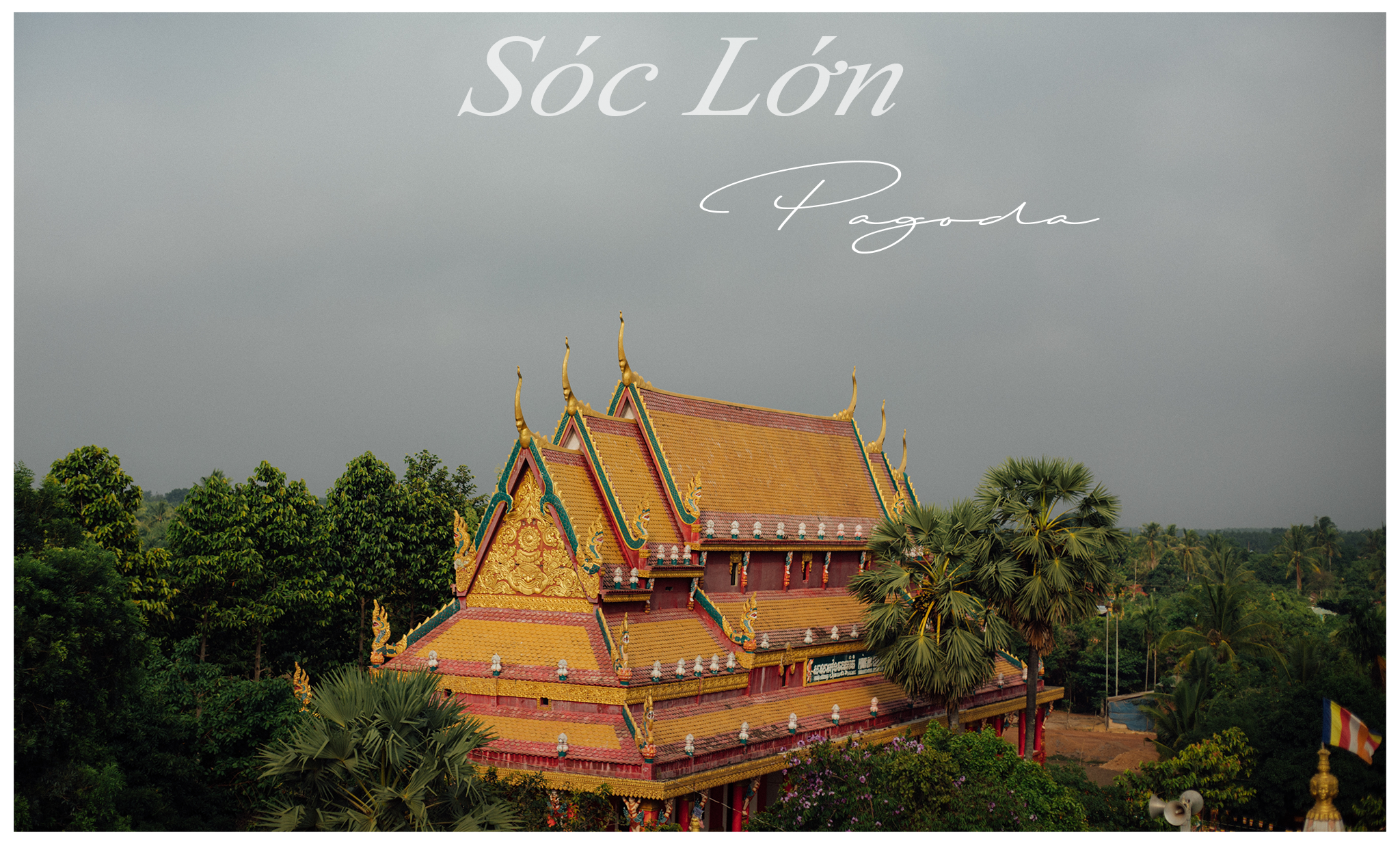
Sóc Lớn Pagoda is located in Sóc Lớn Hamlet, Lộc Khánh Commune, Lộc Ninh District, about 10 km from the town centre. It is regarded as the oldest Khmer Theravada Buddhist pagoda in Bình Phước, built in 1931 on grounds of more than 1,200 m². The complex bears the refined architectural imprint of Khmer culture. Visitors can find a quiet space to learn about local spiritual life while also experiencing colourful traditional cultural activities and festivals. The pagoda is like a living “museum”, offering a broad view of the customs, practices and long cultural history of the Khmer community in this border region.

Lộc Ninh, Bình PhướcOpen in Google Maps

Historic Revolutionary Sites

Return to the roots and relive the proud pages of history written by earlier generations on the heroic land of Bình Phước.

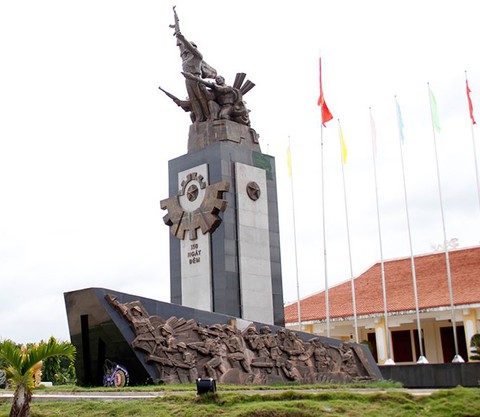
Tàu Ô - Xóm Ruộng Blocking Point

Tàu Ô - Xóm Ruộng Blocking Point

The Tàu Ô national historical site is a shining symbol of revolutionary heroism in the 1972 Nguyễn Huệ Campaign. At this “coordinates of fire”, soldiers and local people held their ground for 150 days and nights, forming a wall of steel that broke repeated large-scale attacks by the opposing forces. Walking beside the imposing monument, visitors not only pay tribute to fallen soldiers but also gain a deeper sense of the price of peace and independence.

Open in Google Maps
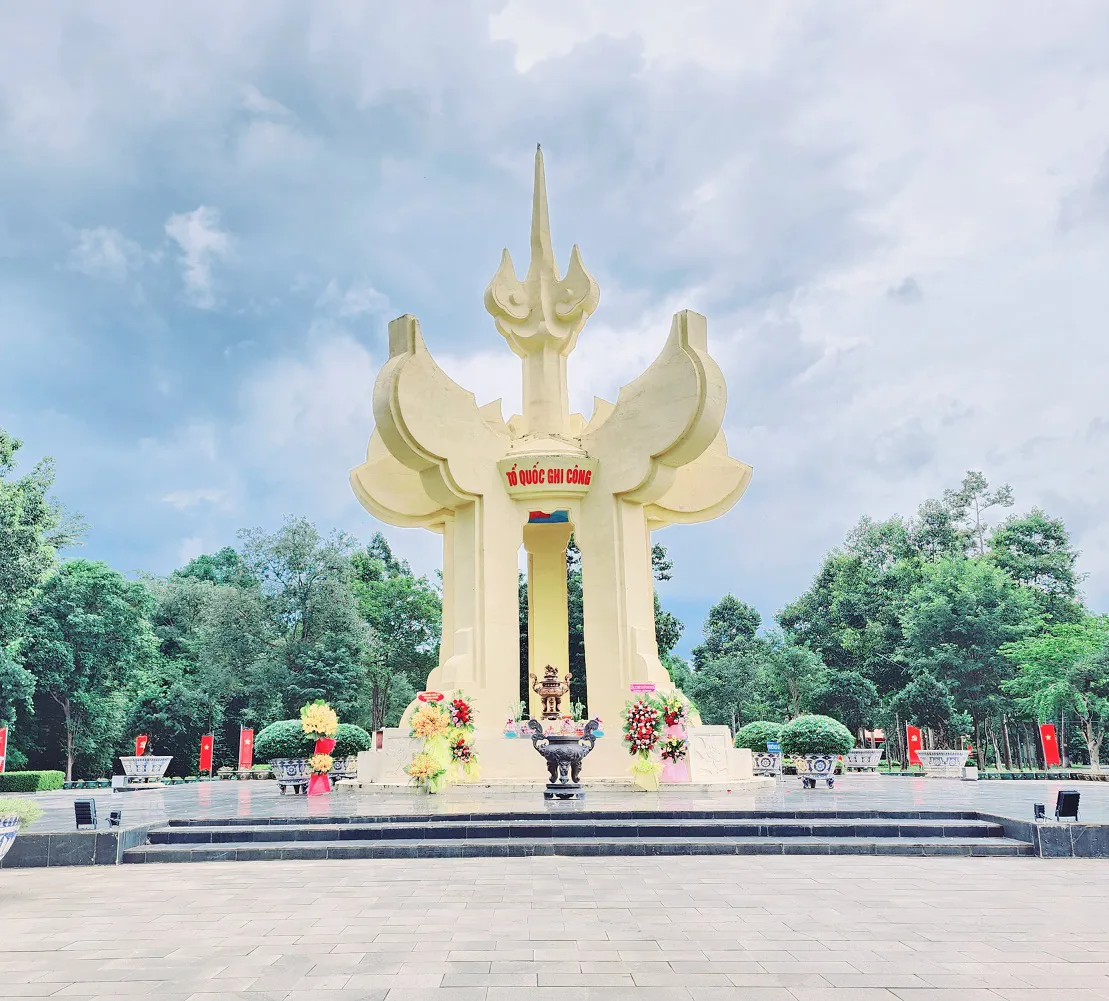
Tà Thiết Base Area

Tà Thiết Base Area

Hidden beneath the deep green canopy of primary forest, the Tà Thiết Base (Headquarters of the Liberation Armed Forces of South Vietnam) once served as the command centre for decisive campaigns, especially the historic Hồ Chí Minh Campaign. Offices, field shelters and A-frame bunkers interwoven with the roots of ancient trees have been preserved. Walking beneath the shade of the great forest, listening to birds and visiting the places where senior commanders once lived, you can still feel the spirit of that era.

Open in Google Maps
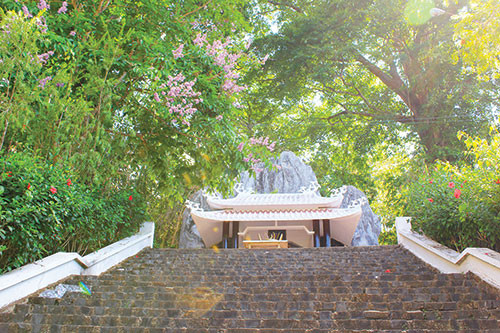
Bằng Lăng Hill - Bà Rá Mountain

Bằng Lăng Hill - Bà Rá Mountain

On the slopes of sacred Bà Rá Mountain, Bằng Lăng Hill was once a secret operational base that sheltered steadfast revolutionary cadres during the resistance wars. Protected by dense forest, the hill stands as a witness to remarkable endurance. Today, alongside its educational and historical value, the site draws visitors with dramatic mountain scenery, high clouds and forest winds. It is an ideal stop on a trekking journey toward the summit of Bà Rá.

Open in Google Maps
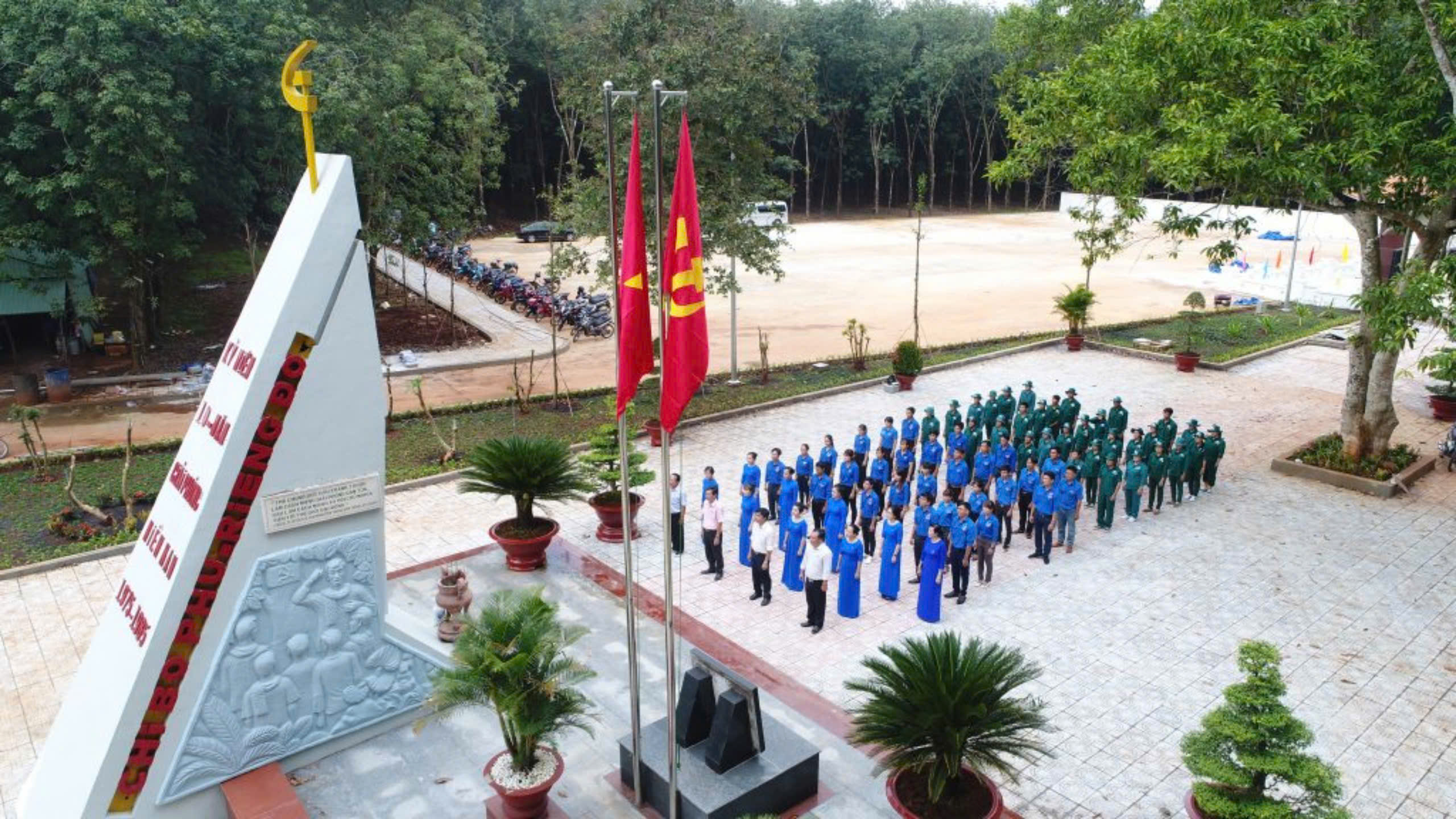
Phú Riềng Đỏ Historical Site, 1930

Phú Riềng Đỏ Historical Site, 1930

“Phú Riềng Đỏ” is more than a name: it symbolises the blood and tears of Vietnamese rubber plantation workers. In 1930, a historic struggle involving more than 5,000 workers against colonial exploitation broke out here, leading to the establishment of the first Indochinese Communist Party cell in southeastern Vietnam (Căn cứ sở nhỏ - Ban An Ninh). Walking beneath today’s endless rubber trees, visitors can almost hear echoes of the solidarity and fellowship of those earlier years.

Open in Google Maps

Broaden Your View, Reconnect with Your Roots

Thiên Ưng Phủ is not only a place for stillness; it is also an excellent base from which to connect with and extend a journey through the many beauties of Bình Phước.